Guides
Practical guides on fuel quality, fuel polishing and system sizing, written by our engineers.


19+
Looking for personalised & expert advice?
Contact our expert engineers to find the right system for you.
-

Racor cross reference table
OEM OEM Part Number Racor Atlas Copco 4006527 R90P Atlas Copco 6050719 R120T Atlas Copco 97100406 RC-330 Atlas Copco 97210337 RC-330 Atlas Copco 643884070 PER-97 Atlas Copco 1028702137 RC-291-AQ Atlas Copco 1028702144 225RS-61A50M Atlas Copco 1028702146 225RS-61A50M Atlas Copco 1028702147 R-26-A50 Atlas Copco 1092035892 R90P Atlas Copco 1092035897 R90P Atlas Copco 2709000550 PFF296 Atlas Copco […] -
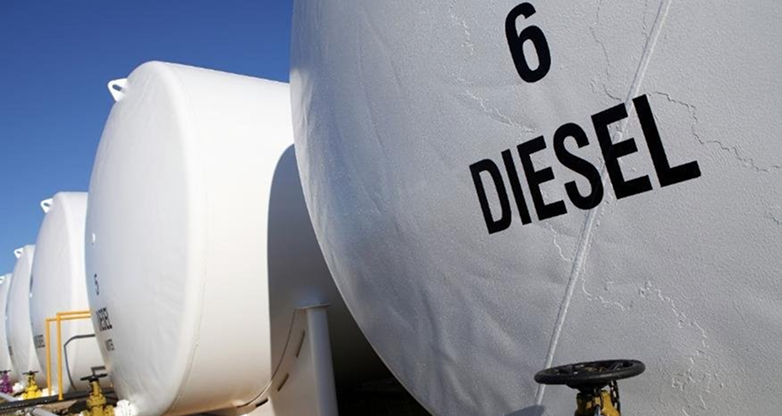
BP’s advice on long term storage of diesel.
WASP isn’t the only company advising that modern diesel has what can best be described as a ‘shelf life’. Even the fuel companies supplying the diesel agree. BP has issued a document detailing best practice for the long term storage of diesel. -
Fuel specifications
EN590 – The B7 Introduction 1st Jan 2011 What is B7 and why should I be concerned? On Jan 1st 2011, EN590 changed. Now, all gas oil will have a lower sulfur content and a 7% biodiesel blend. What does it mean? The technical explanation from the fuels quality directive – Directive 2009/30/EC, Article 4 […] -
How to size a fuel polishing system.
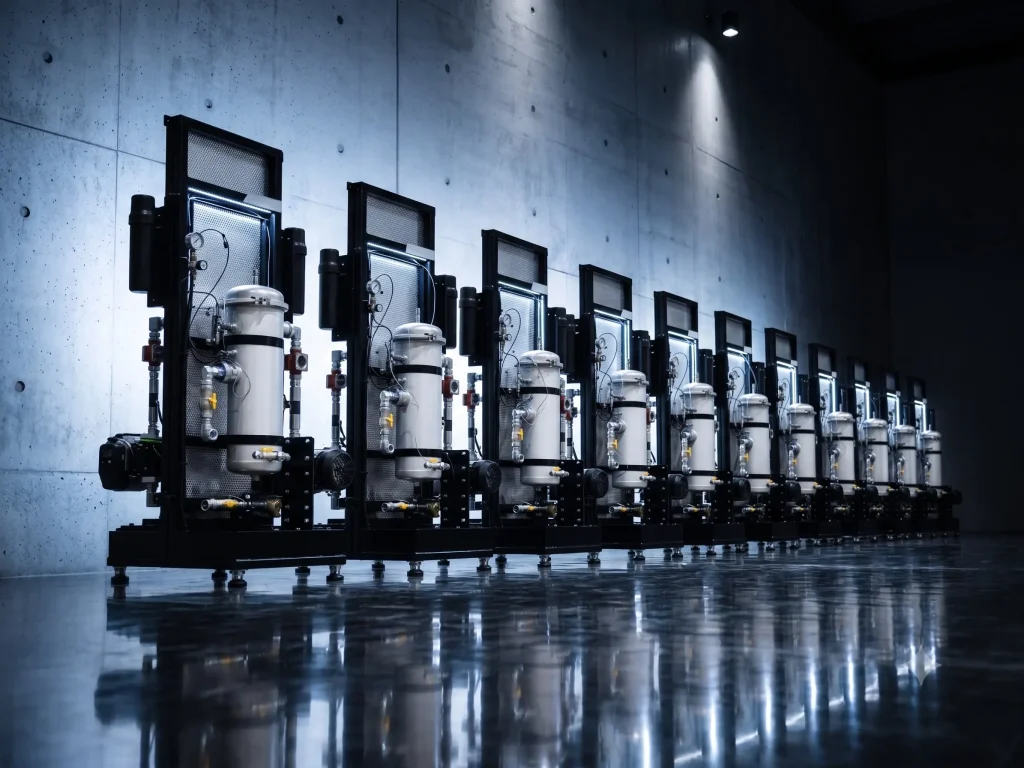
Sizing a fuel polishing system can be done in a number of ways; firstly WASP are always happy to help, so please contact us for any assistance you need. -
Priming
We always recommend full priming of the unit before operation and after servicing, even though some systems have safe priming capabilities. When the system contains air and the filters and input pipe work are not completely full of fuel, the filters will need to be bled of air and system primed. The system does not automatically purge air, so it is the engineer’s responsibility to do so as described in later sections. -
Water contamination in diesel.
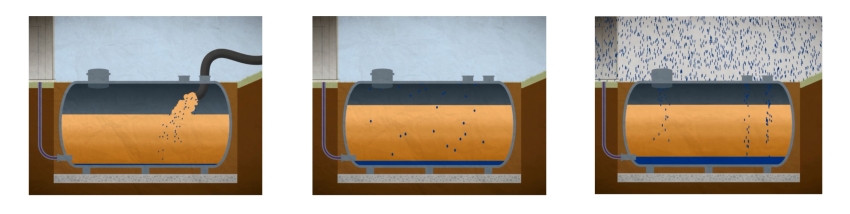
Water contamination is natural in biodiesel. It contains water when it’s manufactured and it attracts more water while it’s stored. Biodiesel is hygroscopic; meaning it attracts water. This makes it more prone to water contamination than the petrochemical diesel we used before 2011. Diesel fuel now contains up to 7% biodiesel; while this is great for the environment it’s not always good for organisations that store fuel. -
Draining water from your filter.
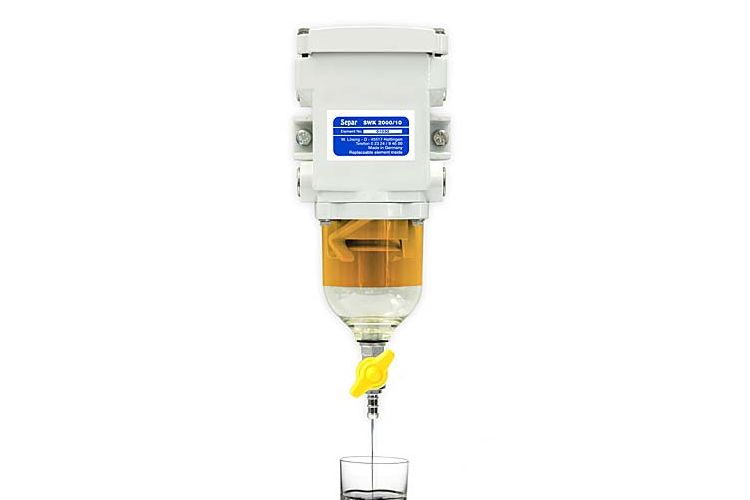
Both the grey and blue filters will isolate water collected from fuel. They each have sensors which trigger an alert when they reach a certain level and require the water to be drained. This can however be done regularly before the alert is triggered to avoid the machine stopping. -
Help selecting a fuel polishing system.
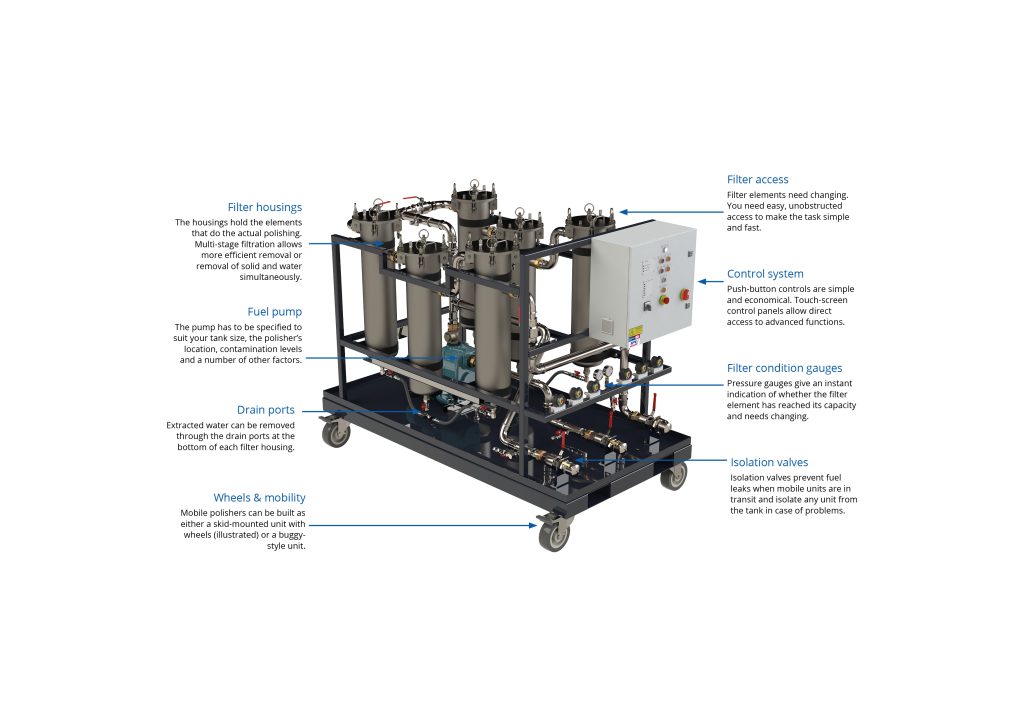
At WASP, ensuring you have the correct machine for the application and operating environment is something we are always mindful of and we will start any enquiry with gathering some standard information: Fuel Tank Size Fuel Volume Speed of cleaning required Fuel Tank Quantity (multi-tank cleaning arrangement) Fuel Type (diesel/HVO/others) BMS/Specifications/Communications Power Options Polisher Location […] -
What is diesel bug?
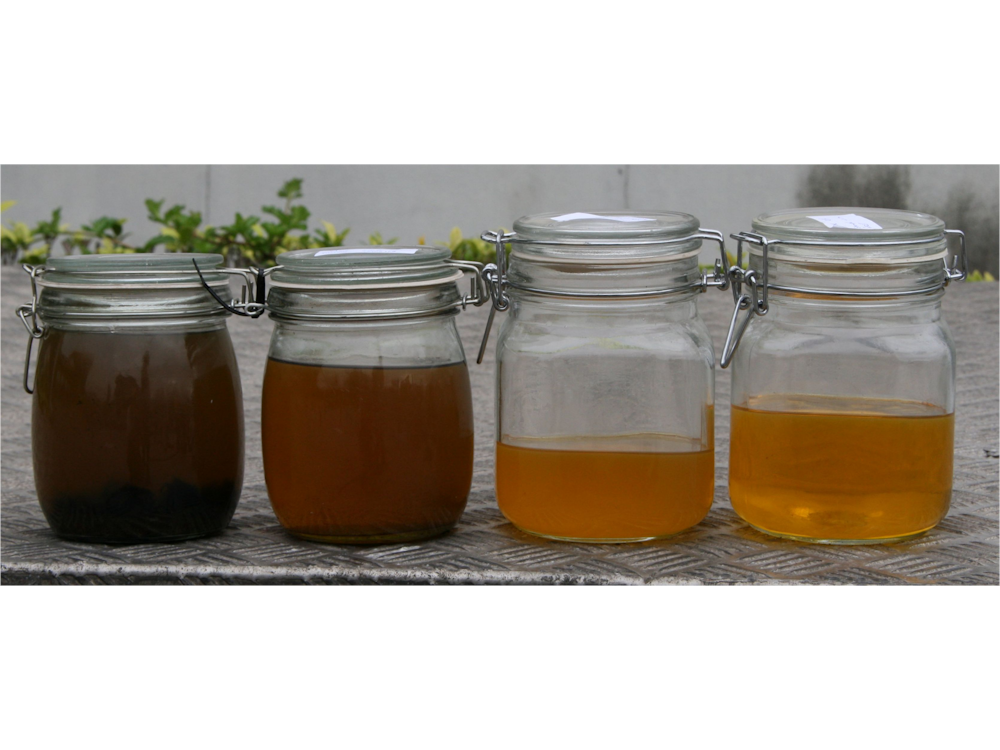
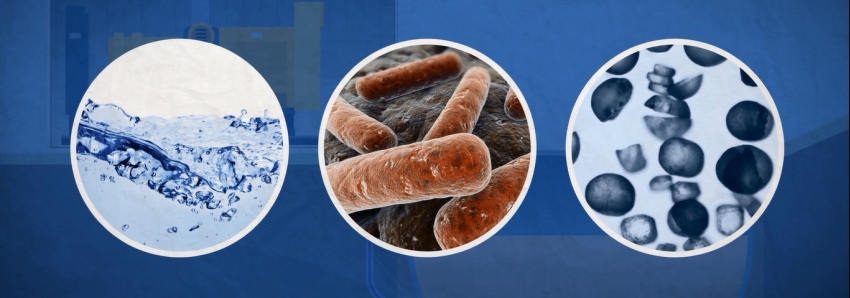
Diesel suffers from three main types of contamination: water contamination (left), microbial growth (a.k.a. the ‘diesel bug’) (centre), solid particulate contamination (right). -
What is particulate matter?
Particulate Matter (referred to as Dust in the MCPD and also as PM), can be found in sizes that range from a few nanometres to around 100 micrometres (100 μm, about the thickness of a human hair). Diesel gensets used in industrial, commercial and power generation applications are a primary source of particulate matter. Why […] -
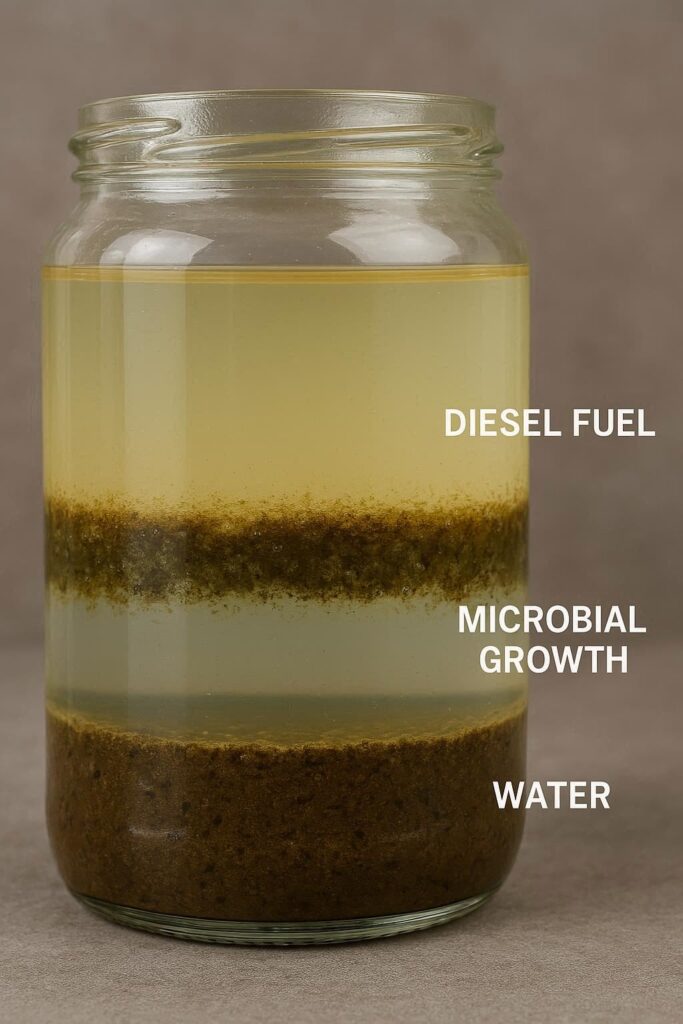
What is biodiesel?
Understanding ‘diesel’ is not as simple as it used to be. New fuel types have been developed in response to our desire to reduce the cost and environmental impact of diesel power. As with so many changes made with the best intentions, the introduction of biodiesel leaves many commercial and domestic users confused. -

ATEX and fuel polishing
In mid 2015, diesel was reclassified. As it has a flashpoint of 55 deg C and above, whereas the lower limit for hazardous material has been moved from 55 deg C to 60 deg C, diesel must now be considered to be a hazardous material. This means clients may wish to consider ATEX in future installations.
Get a quote today
Our team are on hand to assist with your enquiry.