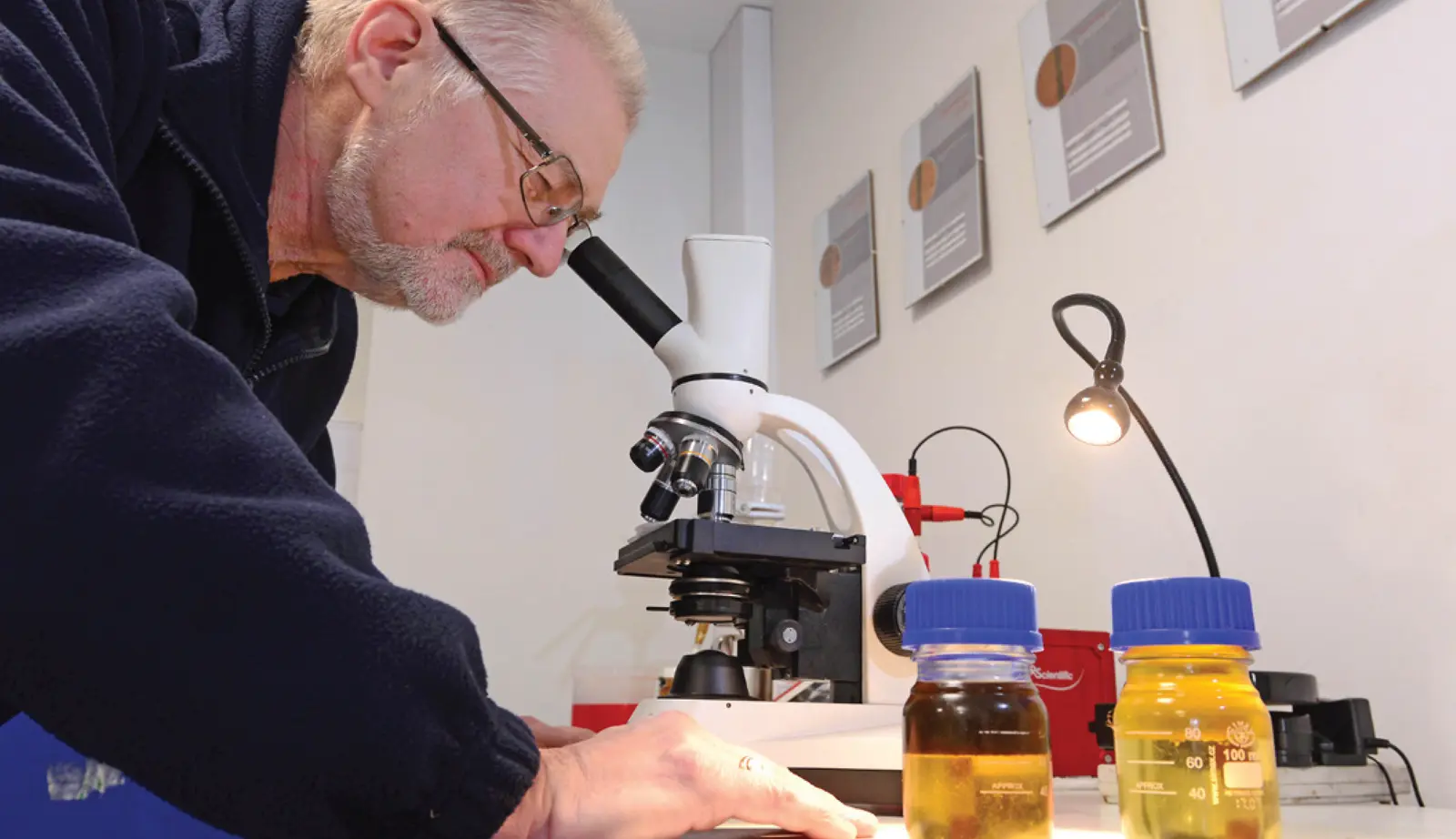
Fuel quality & resilience testing
Essential guide to fuel polishing
A free pocket guide with everything you can do to maintain your fuel.
Modern fuel systems require modern testing
Testing delivered the way your operation requires
Choosing the right service for your need


Representative sampling is everything
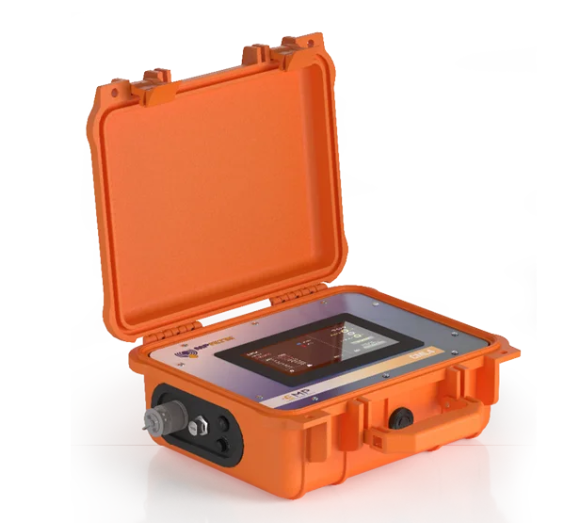
Current instrumentation and what it measures
The full suite of fuel quality tests
When testing finds a problem, we fix it
Fuel polishing
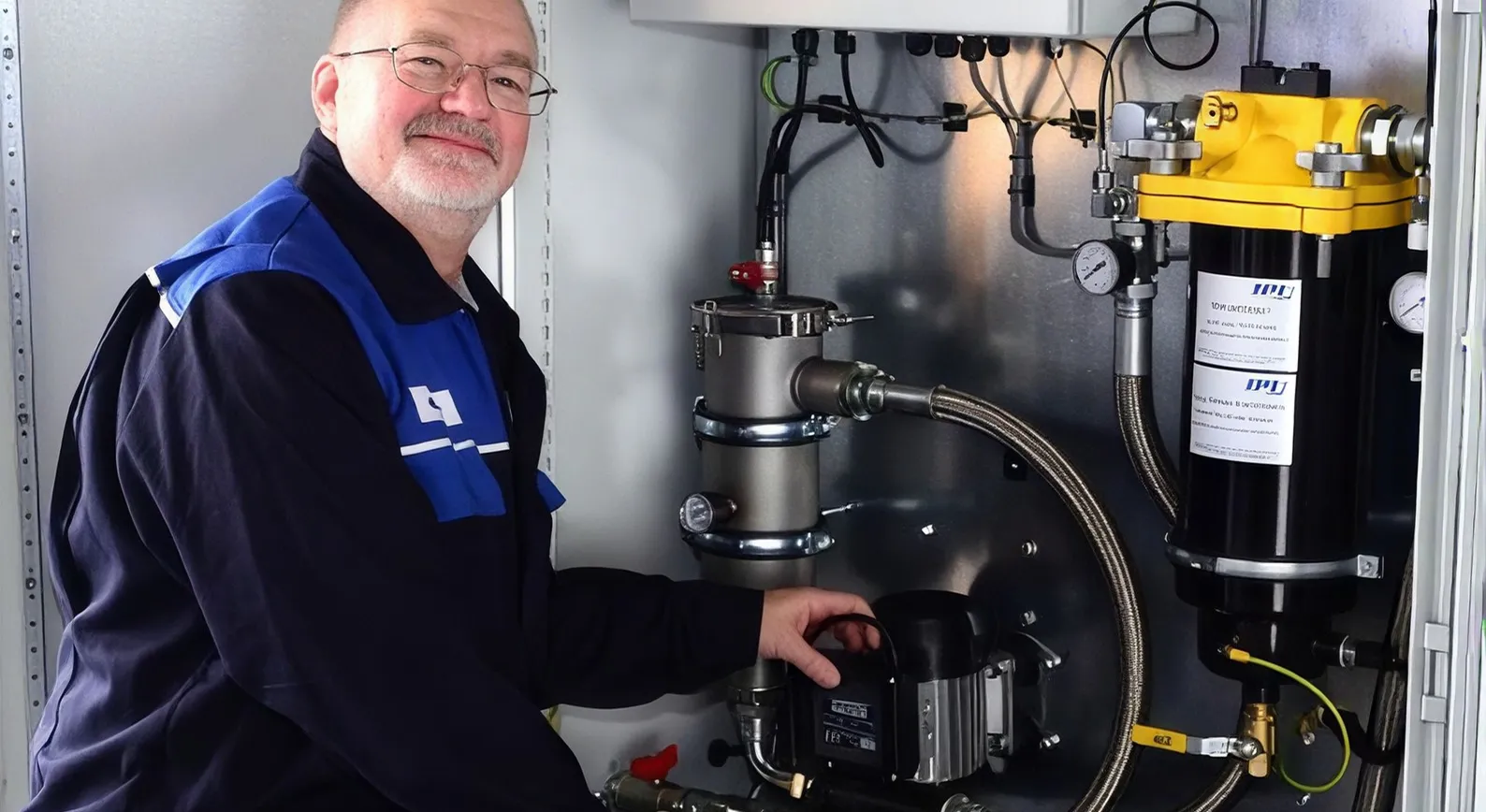
Fuel polishing circulates stored fuel through high-efficiency multi-stage filtration, removing particulate contamination down to 1–3 microns, extracting free and emulsified water, and restoring fuel to specification without disposal or replacement.
- Particulate removal to submicron levels
- Free and emulsified water extraction
- Fuel recirculation and homogenisation
- Continuous fuel conditioning programmes
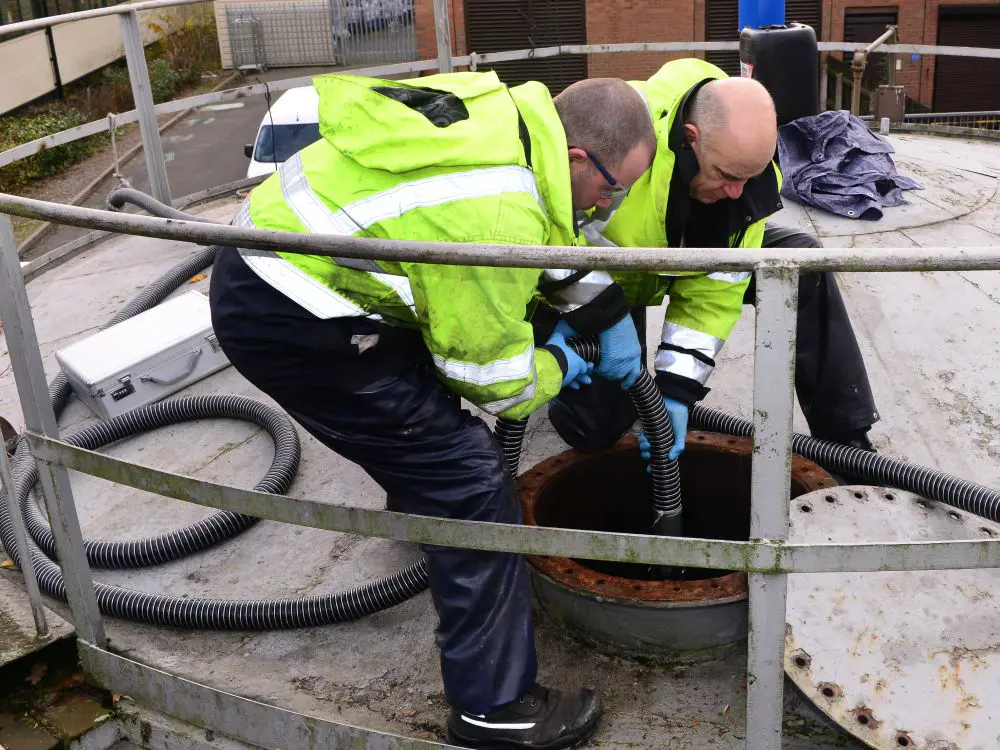
Tank cleaning & inspection
Many fuel-related failures originate from tank infrastructure rather than the fuel itself. Internal tank inspection and cleaning addresses the root cause, not just the symptom.
- Internal inspection and sediment assessment
- Corrosion identification
- Tank coating condition assessment
- Sludge quantification and removal
- Full fuel system audit
Understanding what clean fuel looks like
Beyond ATP: A complete microbial picture
From test result to managed risk

Testing
Scheduled on-site and laboratory testing to track fuel quality over time.

Monitoring
Continuous condition monitoring with real-time alerts for critical parameters.

Fuel polishing
Circulation of stored fuel through high-efficiency filtration to remove particles, water and contamination.

Water removal
Targeted extraction of free and emulsified water from tank bottoms using specialist equipment.

Tank inspections
Internal inspection for sediment, corrosion, sludge, coating condition and water ingress.
Preventive maintenance
Scheduled programmes to maintain fuel system condition and document compliance.
Frequently asked questions
Answers to common questions about fuel sampling, laboratory analysis and ongoing fuel resilience programmes.
Testing frequency depends on the criticality of the application and the storage conditions. For standby generators supporting critical infrastructure, we typically recommend a minimum of annual testing for low-risk sites, quarterly for moderate-risk (such as locations with known water ingress history or high biodiesel blends), and continuous monitoring for highest-criticality applications. HVO fuel generally has a longer oxidation stability, but still requires periodic assessment — particularly for water management and material compatibility.
HVO (EN15940) behaves differently to EN590 mineral diesel in several important ways. It is not hygroscopic in the same way as FAME-blended diesel, but water can still accumulate in the storage system. It is also incompatible with some elastomeric seals, hoses and coatings found in older fuel systems. Testing protocols need to reflect the specific characteristics of the fuel type in storage — what applies to EN590 does not always apply directly to EN15940.
Yes, they are simple to use. Our team can give you a run-through of how they work, but essentially you just need to connect them to power, connect the hoses, pop the lances in the fuel tank and switch it on! The filter changing process is extremely simple, too.
Fuel polishing is the process of circulating stored fuel through high-efficiency filtration to remove contamination and restore it to a usable specification. It is typically recommended when testing reveals particle counts above target ISO 4406 levels, visible free water or elevated Karl Fischer water readings, microbial activity (ATP or culture results above threshold), or visually apparent sediment or discolouration. It is also used proactively as part of scheduled maintenance programmes for high-criticality sites.
Contamination does not distribute evenly throughout a storage tank. Free water is denser than fuel and sinks to the bottom. Microbial biomass (the diesel bug) forms at the fuel/water interface — at the very bottom of the tank. Particulate contamination also tends to settle over time. If you only sample from the top of the tank, you will almost always miss the contamination that poses the greatest risk to your fuel system. We sample from the top, middle and bottom of every tank in accordance with ASTM D4057 and ISO 3170.
A fuel resilience programme is a structured, ongoing approach to managing fuel quality and storage system condition. Rather than testing only when a problem is suspected, a resilience programme establishes a scheduled cadence of testing, monitoring, maintenance and documentation. It typically combines periodic laboratory and on-site testing, continuous or periodic condition monitoring, scheduled fuel polishing and water removal, regular tank inspection, and a clear corrective action framework. For sites where fuel failure is not an option, a resilience programme provides documented assurance.
Yes. For sites that require very frequent testing — weekly or fortnightly — or where regular third-party access is impractical (such as government or high-security facilities), we can provide testing kits, equipment and training to enable your own maintenance team to conduct routine sampling. Samples can then be returned to us for certified laboratory analysis when required.
Ready to get a clear picture of your fuel?
Our fuel team will respond promptly to discuss your site, the number of tanks you have, and the right testing approach for your application.