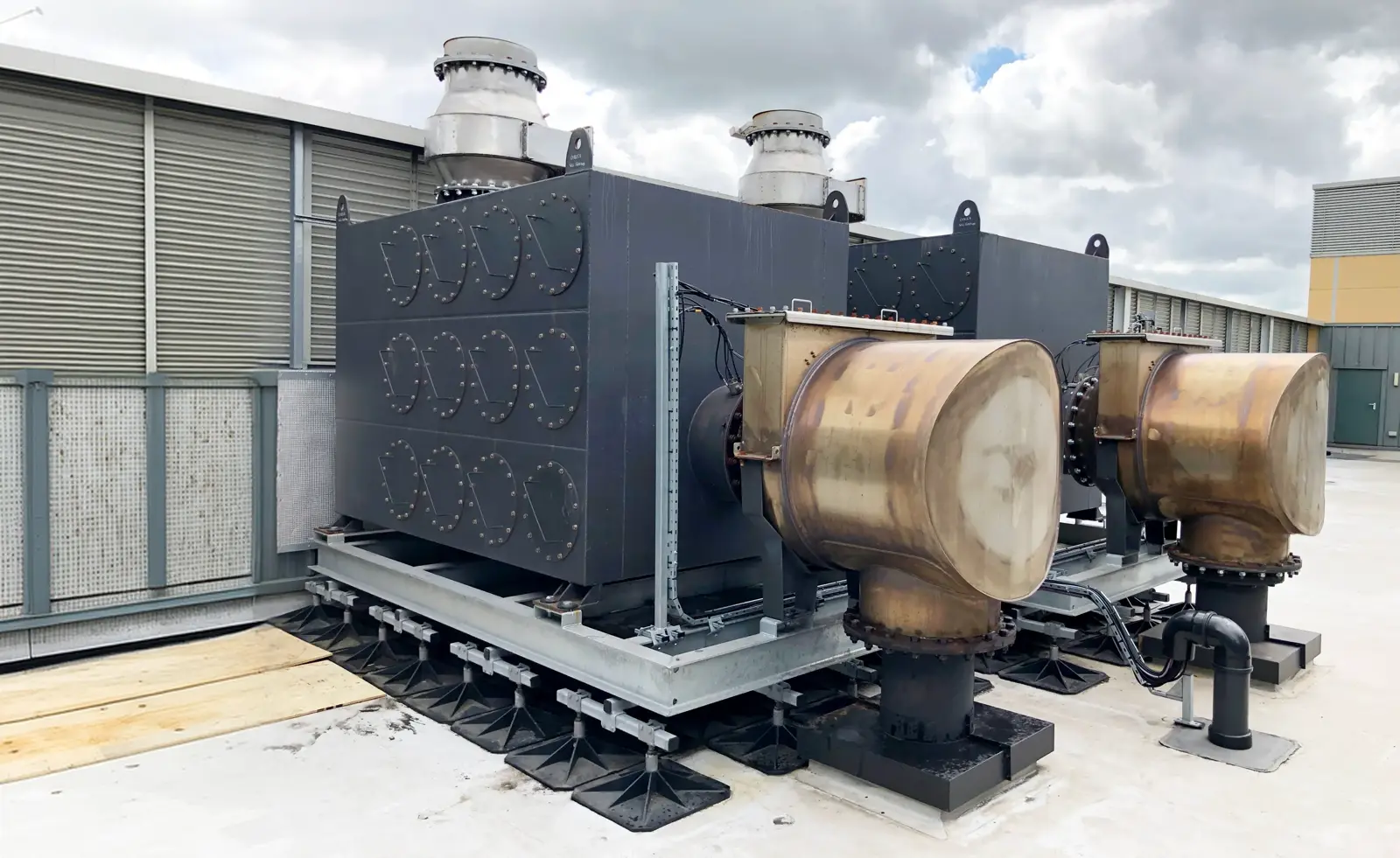
Diesel generators remain critical for standby versatile power generation and grid resilience – but compliance is now a core operational requirement
WASP emissions solutions
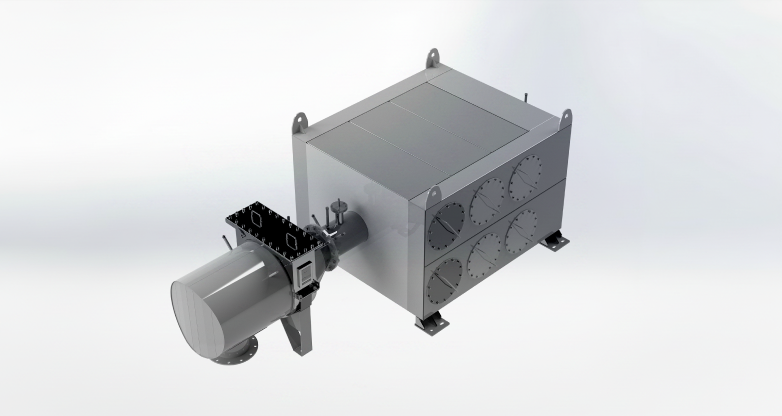
Selective Catalytic Reduction (SCR)
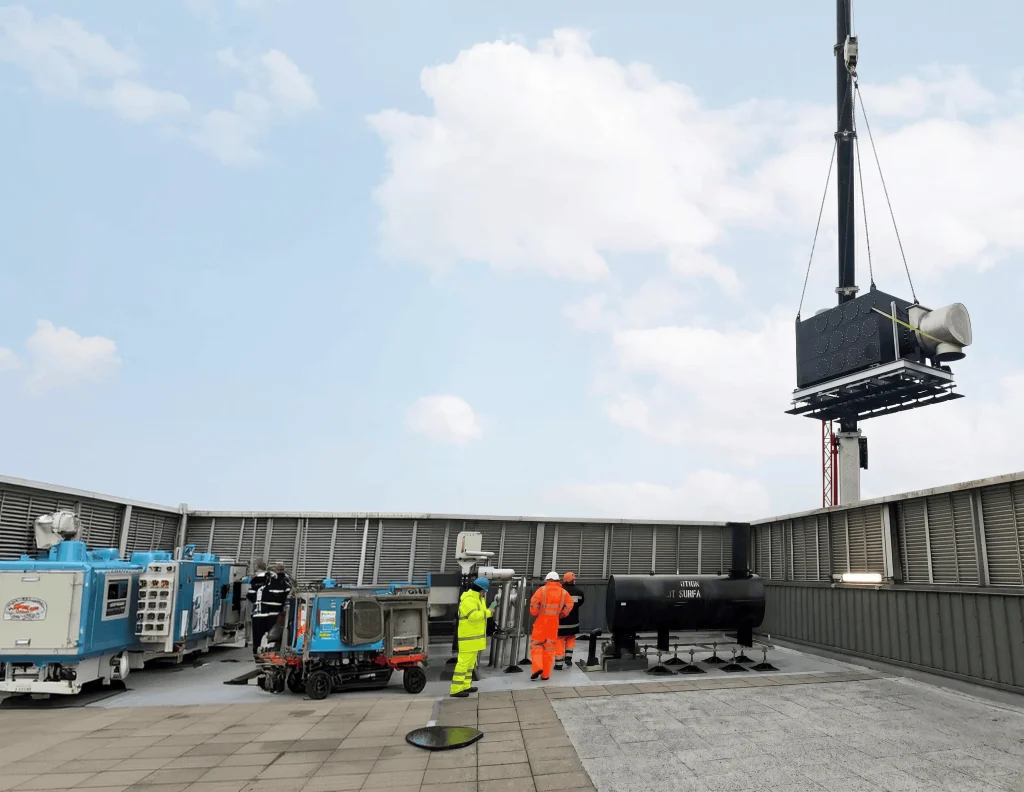
Selective Catalytic Reduction for gensets (also know as SCR) will reduce NOx emissions by combining exhaust gases with the reductant AdBlue and passing it over a catalyst. It’s called ‘Selective’ because the process specifically targets NOx. The reaction is known as ‘Reduction’ because the AdBlue is a reducing agent, converting the NOx into nitrogen, water and CO2.
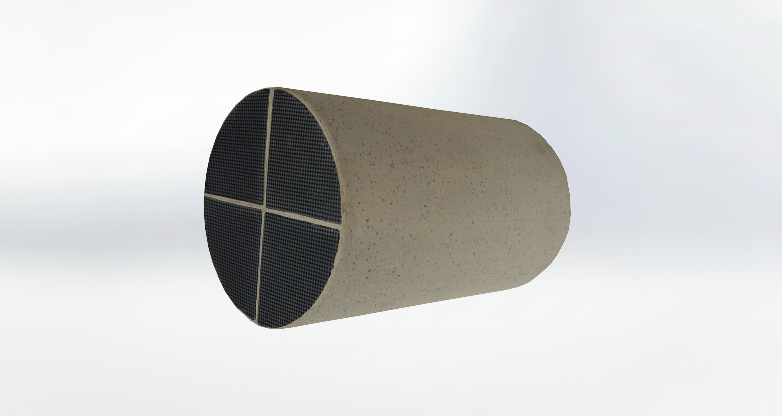
Diesel Particulate Filters (DPF)
Diesel particulate filters for gensets (otherwise known as DPFs) are aftertreatment devices that act as a physical barrier removing particulate matter from the exhaust stream. Our DPF’s can reduce particulate matter by 95% and offer greater particulate trapping and storage capacity than other filters.
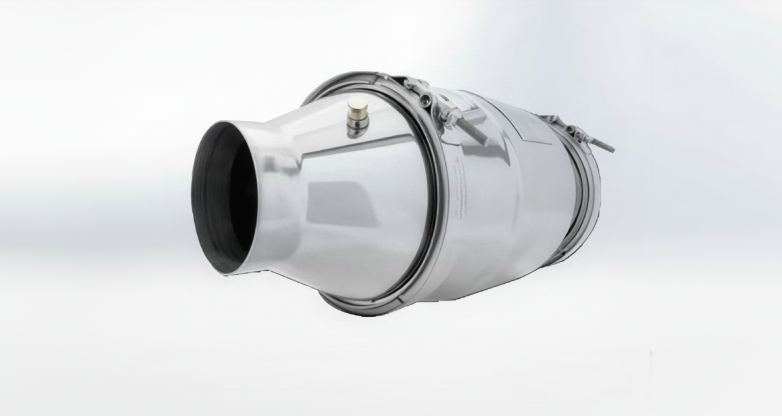
Diesel Oxidation Catalysts (DOC)
A Diesel Oxidation Catalyst oxidises carbon monoxide, gas-phase hydrocarbons, the soluble organic fraction (SOF) and the volatile organic compounds (VOC) of diesel particulate matter into carbon dioxide and water. As well as providing passive regeneration for a DPF, it also converts NO to NO2 and CO to CO2. It even captures some particulate emissions.
Testing and compliance
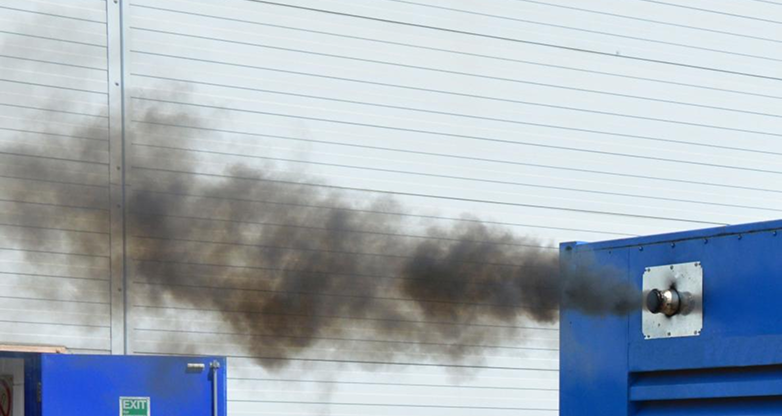
As part of The Environmental Permitting (England and Wales) (Amendment) Regulations 2018, all gensets need to be registered and get a permit. This must be done, regardless if the genset is used for standby or prime power. As part of this permitting, the emissions values of the genset must be recorded – The primary purpose of the permitting process is to demonstrate that the generator site will cause no severe reduction to air quality. When applying for a permit, the NOx levels must be included to determine if they are greater than 500mg/Nm3 per year (15% O2).
Fuel transition advice
Cleaner fuel transition advice, including EN15940 fuels (e.g. HVO), subject to engine manufacturer approval.
Emissions solutions
Get a quote today
Our team are on hand to assist with your enquiry.