
Data centres & critical IT
Protect your power. Protect your data.
A data centre exists to deliver business continuity, and its customers expect nothing less than uninterrupted uptime. A Tier III facility is expected to achieve 99.982% availability, and that level of dependability rests on one thing above all when the grid fails: backup power that starts first time and runs for as long as it’s needed. That makes your standby generators, and the fuel, fluid and control systems around them, some of the most important assets on your site.
Why fuel quality is a data centre risk
Data centres are often advised to hold at least three days of diesel or HVO on site so generators can run at full load through an extended outage. But stored diesel has a shelf life. In low-turnover tanks, water ingress, microbial growth and particulate build-up can quietly degrade fuel for months or years, until the moment a generator is called on and filters block, engines struggle to start, or sets shut down mid-outage. The cost of that failure goes well beyond lost revenue: SLA penalties, customer churn and reputational damage can follow for years. Contaminated fuel is one of the leading causes of unplanned generator downtime, and one of the most preventable.
WASP provides a complete range of fuel maintenance, handling and conditioning equipment designed to keep your fuel clean, compliant and ready. Our multi-stage fuel polishing systems continuously or periodically filter stored diesel, removing water, particulate and microbial contamination to keep fuel within recognised standards long after a tank has been cleaned. Alongside polishing, we supply fuel offloading units for safe, compliant deliveries, industrial filtration, transfer pumps, valves and flow detection equipment, so every stage of your fuel system, from tanker to tank to generator, is engineered for reliability.
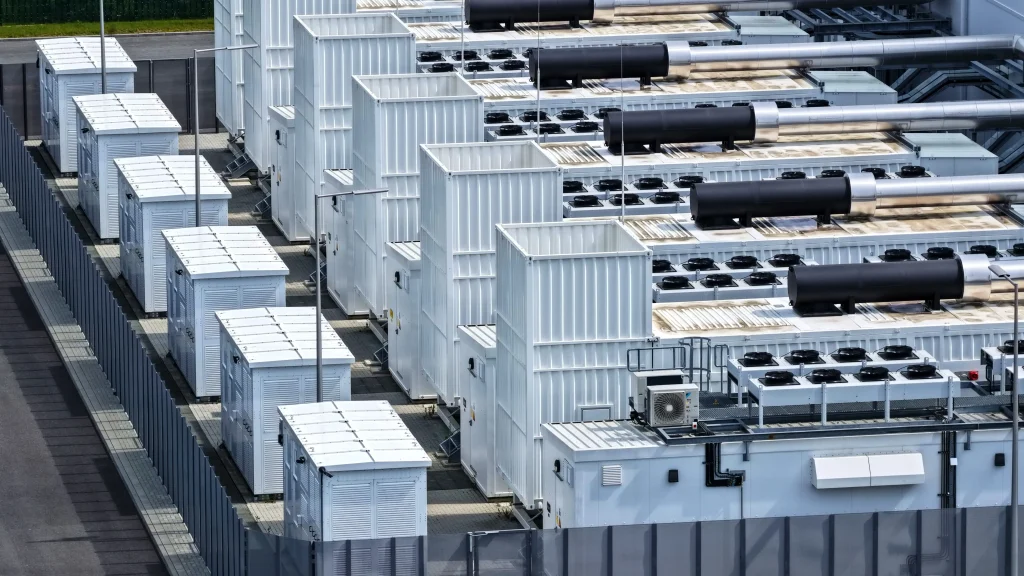
Data centres & critical IT
No two data centres are the same. Plant rooms are tight, tanks sit in confined spaces, and operational windows are narrow. Backed by over 30 years’ engineering experience, WASP designs, builds, supplies and installs bespoke fuel and fluid handling systems that fit your footprint, flow rates and site conditions, from wall-mounted and skid-mounted units to ATEX-rated equipment for hazardous areas.
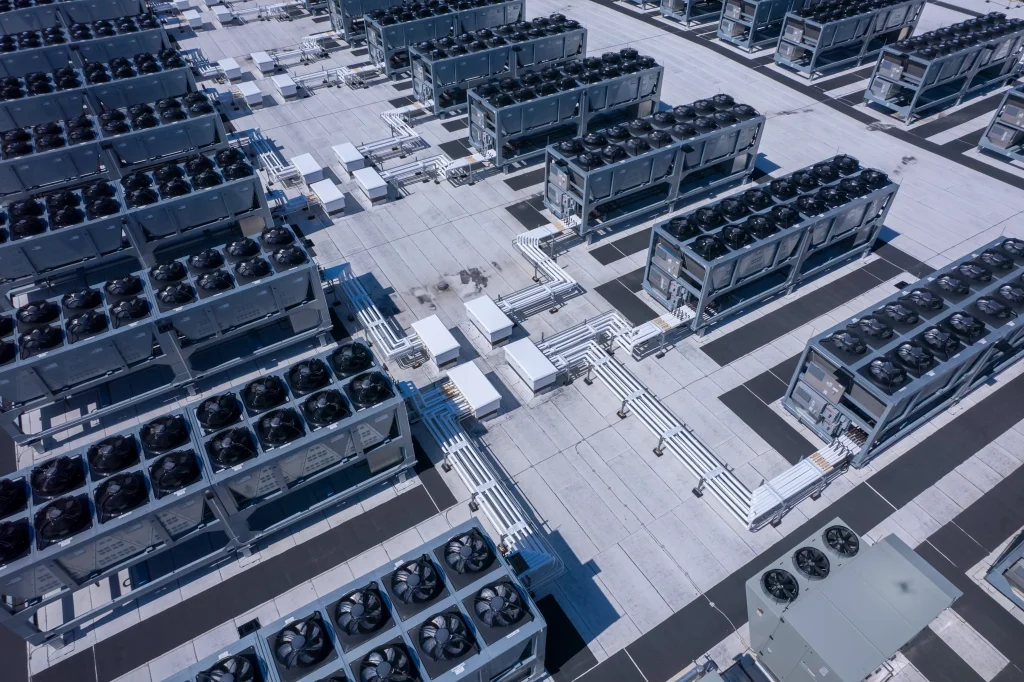
Fluid handling & quality solutions
Fluid transfer, filtration, pumping, monitoring and flow, our systems are designed to keep your infrastructure performing reliably.

Fuel system servicing
Maintain performance, ensure compliance, and prevent costly downtime.
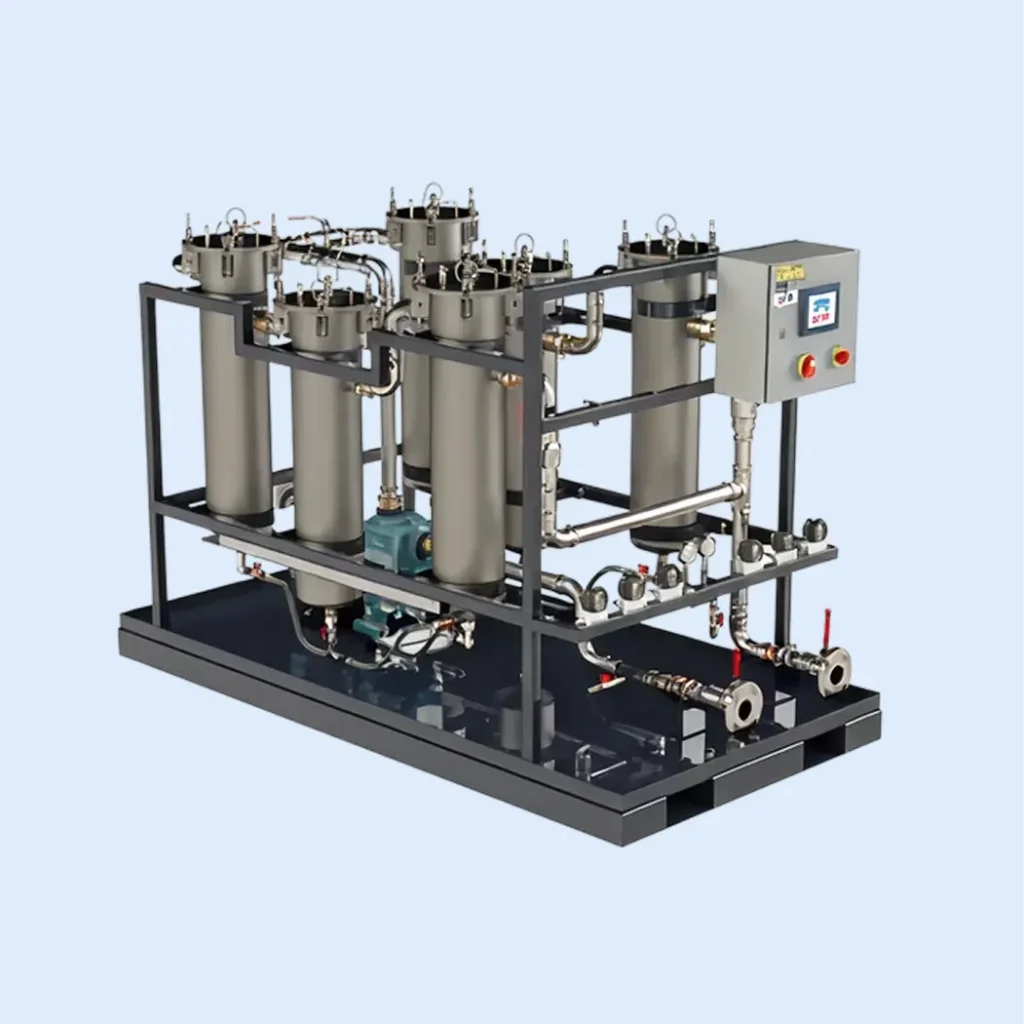
Fuel polishing products
Fuel Polishing is essential for an uninterrupted power supply.


Not sure what you’re looking for?
Speak to our team of expert engineers who will find the right solutions for your needs and industry.
Turnkey PROVIDERS
Complete fluid handling for data centres
Beyond fuel: cooling and fluid systems
Data centre resilience depends on more than diesel. Closed-loop cooling systems relying on water and glycol are vulnerable to particulate build-up, microbial contamination and degradation over time, and a cooling failure can be just as disruptive as a power failure. WASP’s fluid handling expertise covers filtration and polishing for water, glycol and process fluids, along with offloading units, pumps, valves and flow monitoring, helping keep your cooling infrastructure performing reliably.
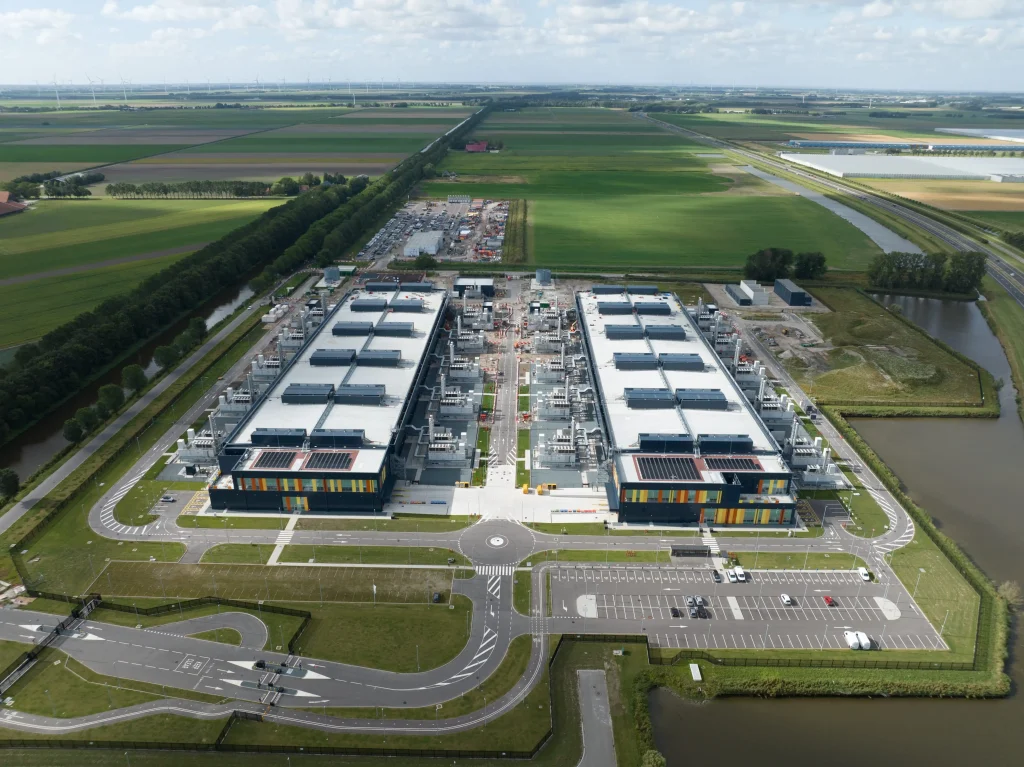
We work with industry leaders:











Diesel Defence fuel polishing preserves power for Scottish islanders
A fuel cleaning operation identified thick layers of sludge at the bottom of SSE’s two 1,000,000-litre bulk storage tanks.
Frequently asked questions
Answers to the questions data centre operators ask us most about fuel quality, storage, HVO and monitoring.

Your standby generators are only as reliable as the fuel in their tanks. Contaminated diesel can block filters, cause start-up failures or shut a generator down partway through an outage. For a data centre, that can mean lost revenue, SLA penalties and lasting reputational damage. Keeping your fuel clean is one of the most effective and preventable ways to protect uptime
No. Diesel has a shelf life. In data centres, where generators run rarely and tanks have low turnover, fuel can degrade over months or years through water ingress, microbial growth and particulate build-up. The problem often stays hidden until a generator is needed.
A common recommendation is at least three days of fuel, so generators can run at full load through an extended outage. The right amount depends on your resilience requirements, tier rating and resupply arrangements. Larger fuel stores make fuel quality management even more important.
In many cases, yes. HVO (hydrotreated vegetable oil) is a renewable paraffinic diesel made to the EN15940 standard. Depending on how it’s produced, it can significantly reduce lifecycle carbon emissions compared with fossil diesel, and it’s often used as a direct replacement in diesel generators. Always confirm approval with your engine manufacturer first. HVO generally stores well, but tanks still need to be clean before you switch. Water and particulate can still get into a tank over time, so fuel quality management remains important. WASP can advise on the transition and support it with tank cleaning, fuel polishing and ongoing monitoring.
Fuel sampling and testing is the first step. Taking samples from different levels of the tank gives the most accurate picture of fuel condition. Inline particulate counters can then monitor contamination continuously and raise an alert if quality drops.
Yes. WASP’s cloud-based monitoring gives real-time visibility of fuel levels, fuel quality, flow and pump and filter status across single or multi-site estates. It supports remote control of polishing systems, data export for reporting, and alerts for poor-quality deliveries or irregular fuel draw, which also helps protect against fuel theft.
Yes. WASP is based in the UK and provides engineering support in more than 85 countries, with over 2,500 industrial power systems delivered. Our ISO 9001 and ISO 14001 certified processes ensure consistent quality across every site in your portfolio
Yes. Our equipment supports Modbus, BACnet and other fieldbus protocols, so fuel and fluid systems can connect into your existing building management and power management platforms.