MCERTS gas testing
Operators are required to comply with all conditions of their permits and must maintain records to prove compliance.
Data centres & critical IT
Read about the benefits of fuel polishing in the Data Centre industry.
MCERTS gas testing
Why do I need generator emissions gas testing?
As part of The Environmental Permitting (England and Wales) (Amendment) Regulations 2018, certain generators, typically those above 1MW thermal input and classed as ‘Specified Generators’ under the Medium Combustion Plant Directive (MCPD), require permitting.
All specified generators in scope of the regulations will need permitting.
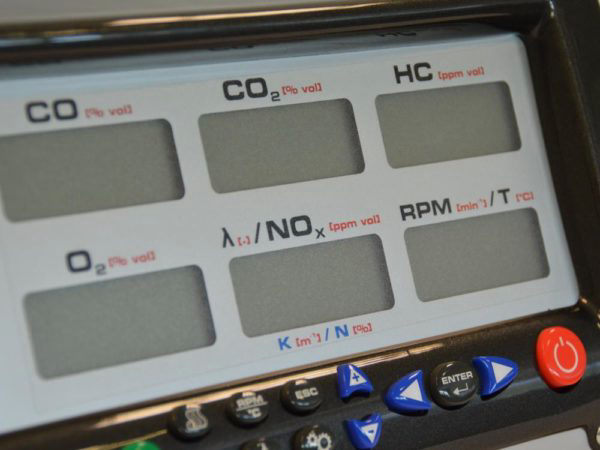
The primary purpose of the permitting process is to demonstrate that the generator site will cause no severe reduction to air quality. When applying for a permit, the NOx levels must be included. NOx emissions are measured in mg/Nm³ at a reference oxygen level (typically 15% for diesel engines) and compared against applicable emission limit values under MCPD.
Of course, many gensets will have a datasheet available with them which may include some emissions values. These emissions values may not be accurate if the genset is older. In some cases, manufacturer emissions data may be accepted as supporting evidence; however DEFRA regulators may still require validated test data or site-specific measurements.
However, it is likely many older engines will not have an emissions values datasheet available. In these cases, gas testing is essential. WASP can supply both standard gas testing and also MCERTS emissions gas testing.
After gas testing is completed, WASP will provide you with a complete written report that can be submitted with your permit.
Links & Downloads
Bank, data centre case study
Key permit conditions to be aware of
There are 3 key permit conditions to be aware of:
- As per the MCPD Emission limit values vary depending on engine type, size and age. For diesel generators, NOx limits are typically higher unless abatement technologies such as SCR are installed.
- It should also be noted that where secondary abatement is required to reduce NOx levels (i.e SCR), permit conditions may require emission limits to be met within a defined period following startup (e.g. 20 minutes where specified)
A requirement that the specified generator must not cause an air quality standard to be breached
- Where compliance with an environmental quality standard requires stricter conditions (such as protected locations, near schools, hospitals etc), then the permit will require additional controls. This may be a tighter ELV, better dispersion of emissions or reduced hours of operation.
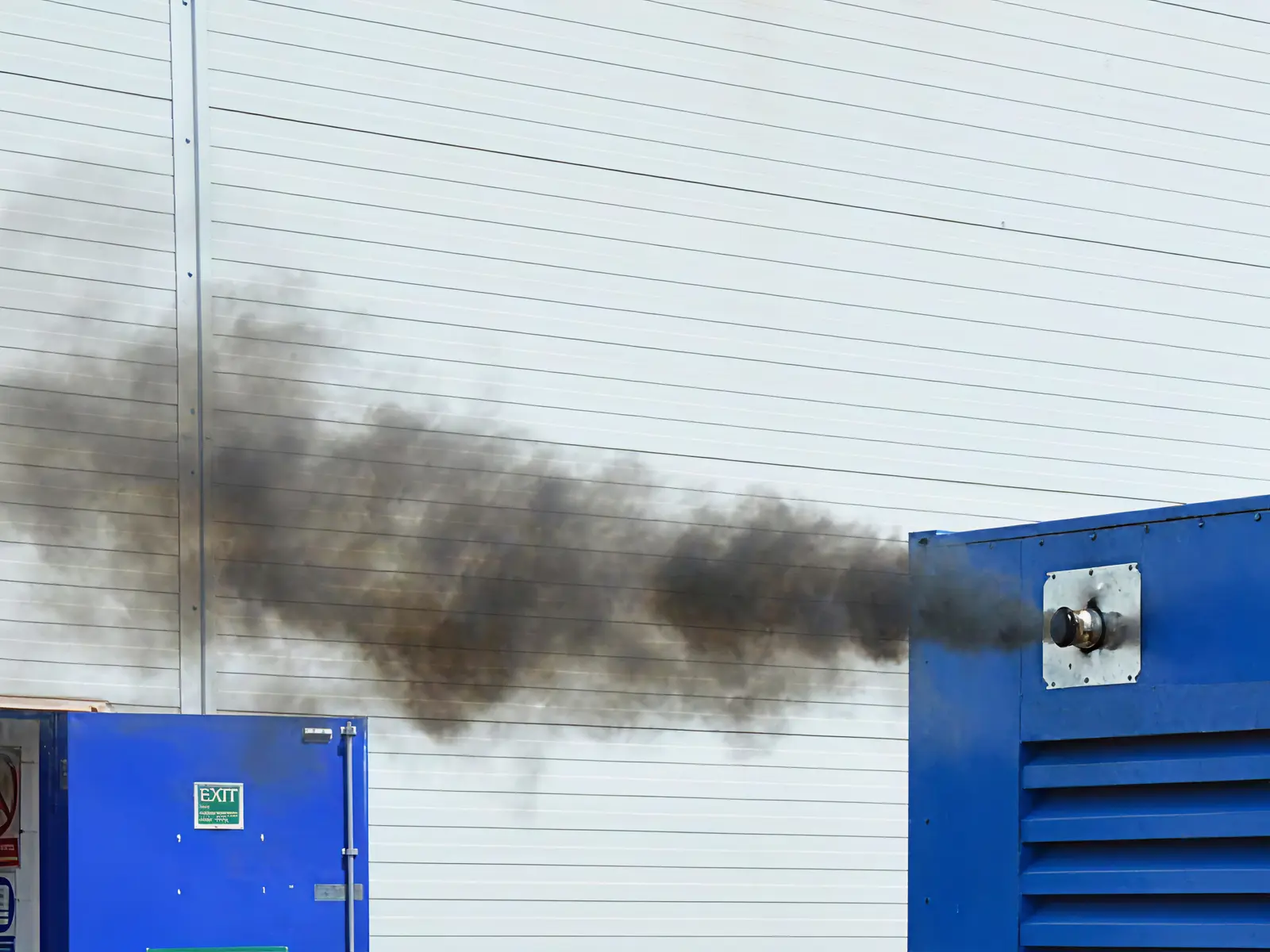
There must be no persistent dark smoke emissions
- Dark emissions, as defined by the Clean Air Act 1993, is dark smoke that is dark or darker than shade 2 of the Ringelmann Chart, described in BS 2742:2009. Black smoke is described as smoke that is as dark or darker than shade 4.
Permit compliance
Operators are required to comply with all conditions of their permits and must maintain records to prove compliance. That’s why WASP software comes in to play. When installing an SCR system with our in-house software, you can check NOx levels at anytime, from anywhere, and pull off records to prove compliance.
If engines are not installed with our system, gas testing will help to prove compliance. We will provide a full written report after testing is completed which provides verified emissions data to support permit applications and demonstrate alignment with emission limits.
Ready to protect your fuel supply?
Our field teams can be on your site fast — with all the equipment needed to test, clean and protect your fuel to certified standards, with minimal disruption to your operations.