
Rail & transport
Today’s trains and wider transport fleets are more advanced, more efficient and more sensitive to fuel contamination than ever before. Many are still refuelled from depot infrastructure built decades ago. WASP closes that gap with complete fuel filtration solutions that deliver clean, dry diesel from the moment it arrives at the depot to the moment it enters the train or vehicle.
Modern trains, ageing fuel infrastructure
Fuel contamination challenges in the rail industry
Our solution – complete protection from delivery to dispense
Reliable rail fuel quality depends on controlling contamination at every stage. Our solutions work together to protect your fuel as it is received, stored, transferred and dispensed, giving your rolling stock the clean fuel it needs to perform.
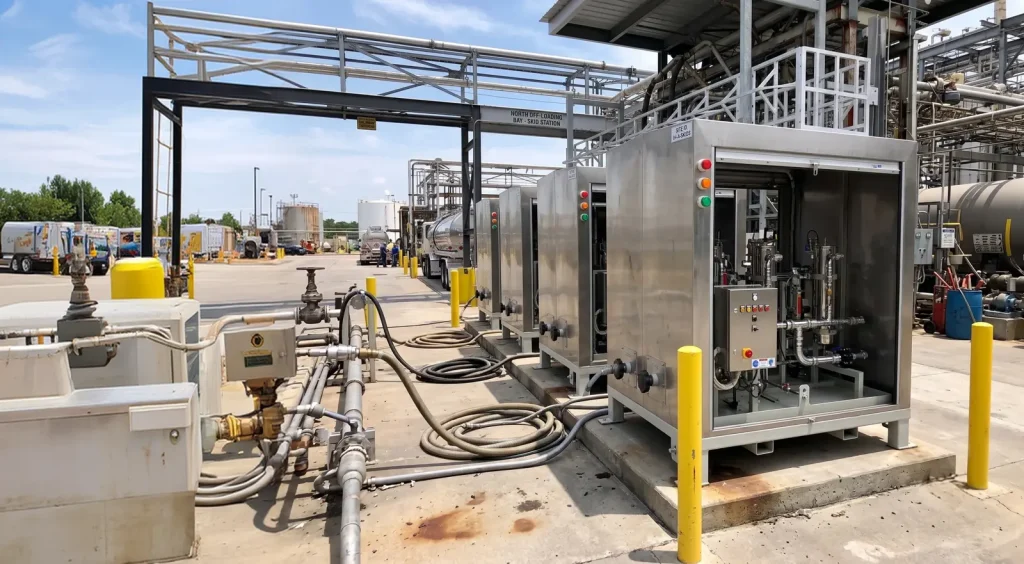
Tanker offloader filtration
Stop contamination entering your depot.
Our tanker offloader filtration systems clean fuel as it is transferred from the delivery tanker into depot storage, removing particulates and water before they reach your tanks. It is the first line of defence against variable delivery quality and helps prevent contamination building up in storage over time.
- Filters fuel at the point of delivery, before it enters storage
- Protects depot tanks from sediment and water build-up
- High flow rates keep offloading times short
- Robust design suited to busy depot environments
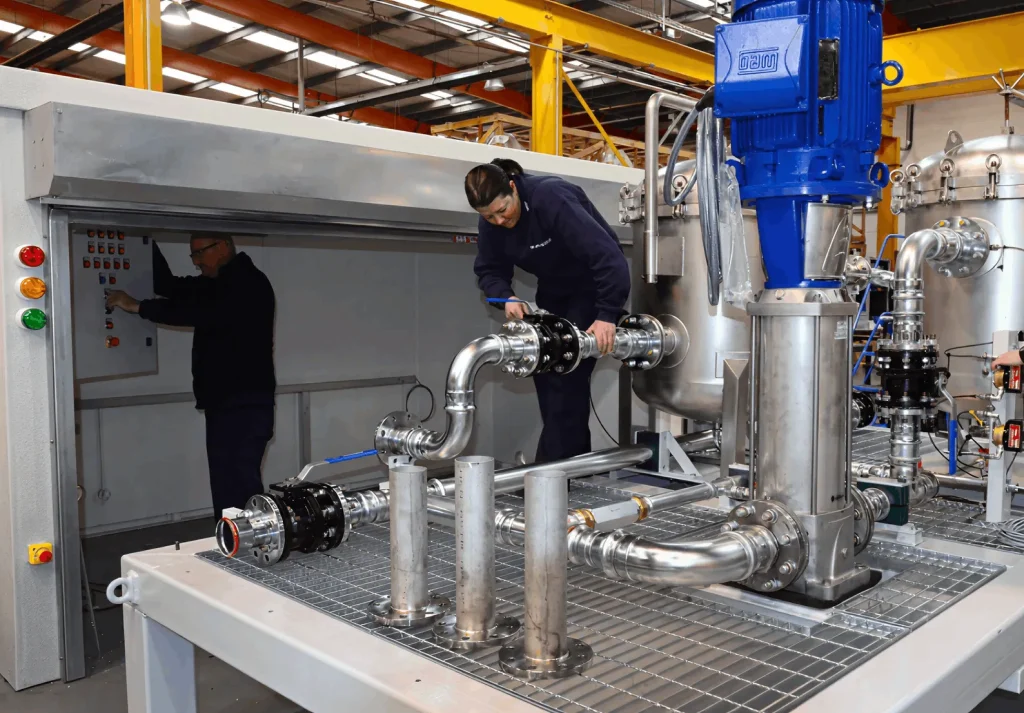
Fixed fuel polishers
Keep your stored fuel clean, dry and in specification.
Our fixed fuel polishing systems continuously or periodically circulate the fuel in your storage tanks, removing water, sludge, particulates and microbial contamination. They are especially valuable in older tanks where corrosion and sediment are ongoing issues, helping to stabilise fuel quality and reduce the frequency and cost of tank cleaning.
- Removes free and emulsified water, sludge and particulates
- Prevents microbial growth and reduces tank corrosion
- Extends the life of existing depot storage infrastructure
- Automated operation with minimal maintenance required
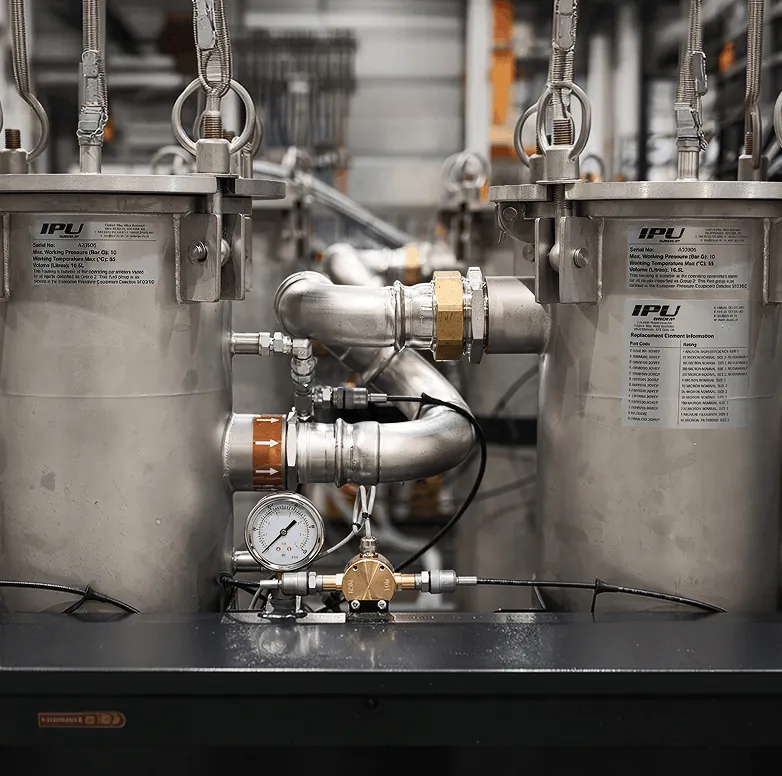
Inline filtration
Clean fuel as it moves through your system.
Inline filtration installed within your depot fuel lines captures contamination as fuel is transferred between storage and fuelling points, including rust, scale and debris shed by ageing pipework. It adds a vital layer of protection across the parts of your fuel system most exposed to infrastructure-related contamination.
- Captures contamination from ageing pipes and transfer systems
- Protects downstream dispensing equipment
- Configurable to your depot layout and flow requirements
- Supports consistent fuel cleanliness across multiple fuelling points

Last-chance filtration
The final barrier before fuel enters the train
Our last-chance filtration systems are installed at the point of dispense, filtering fuel immediately before it enters the train’s fuel tank. Positioned after all storage and pipework, they capture any contamination introduced downstream of your main filtration, making them essential protection for modern rolling stock with sensitive fuel injection systems.
- Filters fuel at the final point before it reaches the train
- Protects high-pressure common rail engines from particulates and water
- Helps meet engine manufacturer fuel cleanliness requirements
- Ideal for depots serving new or mixed fleets
Benefits for rail operators and depots

Improved fleet availability
Fewer fuel-related failures mean more units in service and fewer trains taken out of traffic.

Protection for high-value rolling stock
Safeguard fuel injection equipment on modern engines and avoid costly repairs.

Greater service reliability
Reduce in-service failures that affect punctuality and performance.

Longer life from existing infrastructure
Protect your fleet without the immediate cost and disruption of replacing depot fuel systems.

Confidence in every litre
Control fuel quality from delivery through to dispense, at every depot you operate.

Reduced OPEX spend
Existing arrangements often result in significantly increased consumable spend as the filters need replaced more frequently. Upgrade your fuel management structure to remove this cost.
We work with industry leaders:











Diesel Defence fuel polishing preserves power for Scottish islanders
A fuel cleaning operation identified thick layers of sludge at the bottom of SSE’s two 1,000,000-litre bulk storage tanks.