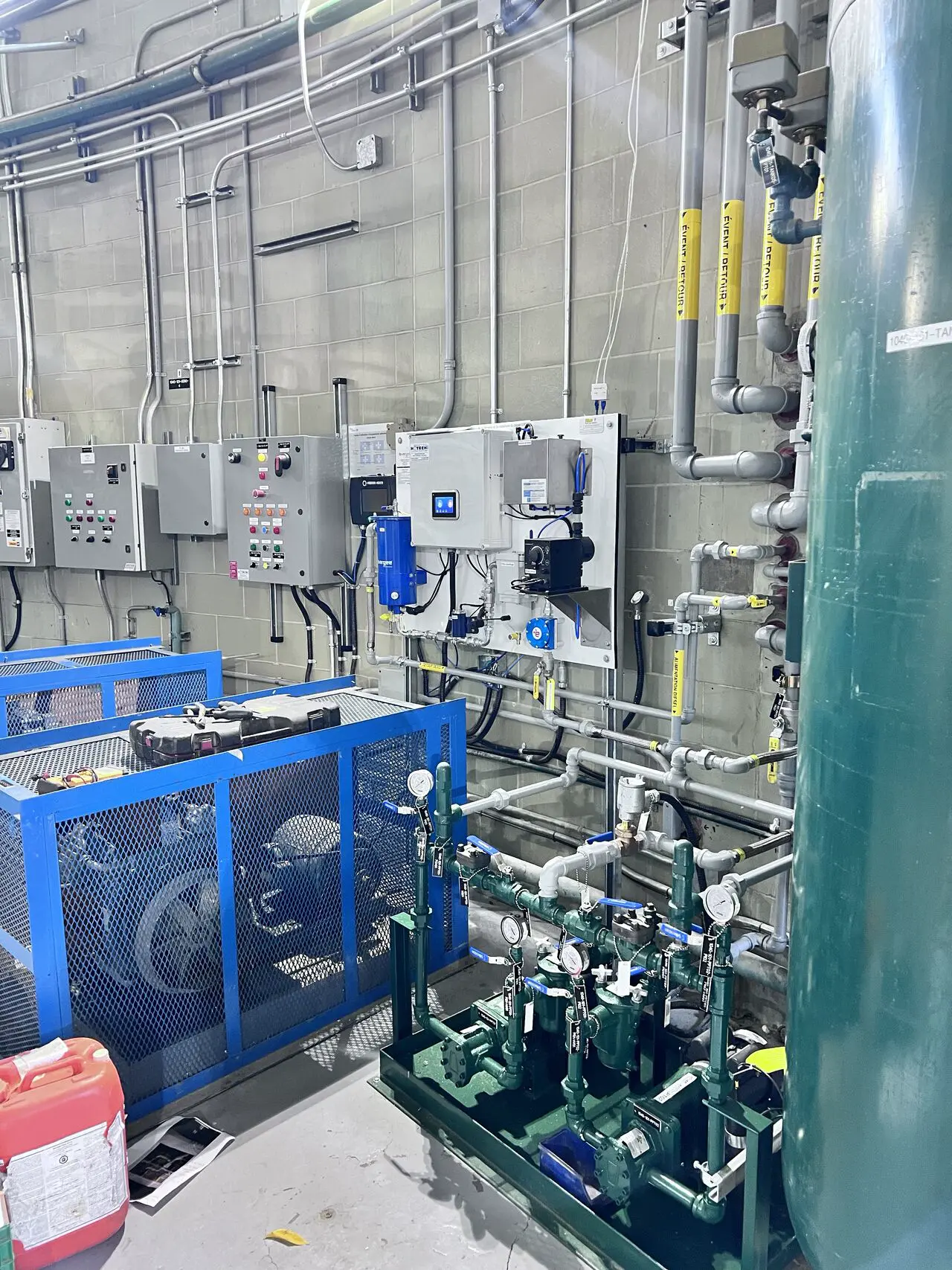
Annual on-site service plans for fuel polishing systems
Keep your fuel polisher working when it matters
Essential guide to fuel polishing
A free pocket guide with everything you can do to maintain your fuel.
Our on-site service is comprehensive by design
Annual servicing, tailored to your fuel polishing system
Our on-site service is comprehensive by design, each visit is carried out by the original manufacturer’s engineers — giving you access to OEM parts, full fault testing, and ongoing peace of mind.
Links & Downloads
Bank, data centre case study
Mechanical & electrical checks
- Full operational test of the polishing system
- Inspection and replacement of main fuel filter elements
- Fault condition testing: low/high pressure, bund leak & emergency stop
- Written post-service report with findings
- Advisories on scheduling, add-ons and efficiency improvements
- Fuel Sample Tests – establish if you need to run your polisher on different timings
Testing, reporting & extras
- Inspection of enclosure, frame, fittings, pipework, cables and seals
- Inspection and replacement of main fuel filter elements
- Tank vent filter inspection (where fitted)
- Replacement of seals as required
- Inspection of valves
- Back flushing and air bleed / priming
- Water separator drain check
How our on-site service works
Every service is scheduled around your operation. Our OFTEC-qualified engineers come to you.
Book at a time that suits you
Contact us to arrange a service visit. All work is carried out on site.
Full mechanical & electrical inspection
Our engineer checks every component: enclosure, frame, fittings, valves, seals, pipework, electrical wiring and electronic sensors. Wear and damage is identified and parts, if under warranty, replaced using OEM spares.
Filter replacement & system flush
Main filter elements are replaced as standard. Water is drained from filter bowls, the system is back-flushed, air is bled and the polisher is re-primed ready for operation.
Operational & fault-condition testing
We run a full operational test followed by deliberate fault-condition simulation: low pressure, high pressure, bund leak detection and emergency stop. This is what third-party servicers typically skip.
Free fuel test & post-service report
While on site, we take fuel samples from the tanks. You receive a written post-service report and advisory notes for any recommended improvements including adjustments to the running schedule of your polisher.
OFTEC Qualified On-Site Servicing
Everything covered. Nothing left to chance.
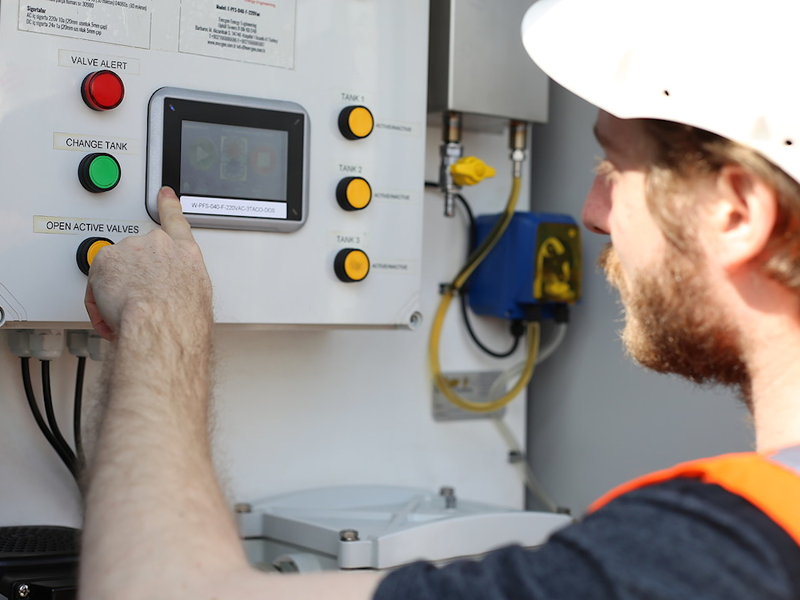
Talk to our team about a service plan tailored to your fuel polishing system. OEM engineers, genuine parts, full warranty.


COMPLETE FUEL PROTECTION
WASP’s Triple-S protection framework
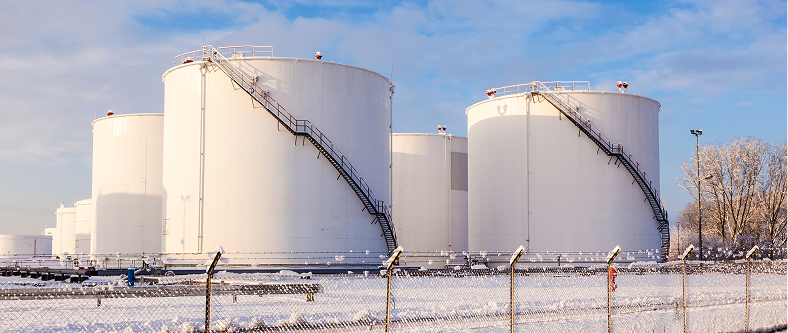
Servicing your polisher is the essential first step in a three-tier fuel protection programme. An annual service plan with fuel sampling covers the first two tiers automatically.

Service
Annual on-site maintenance keeps your polishing system performing to spec and fault conditions tested. Covered by your service plan.
Sample
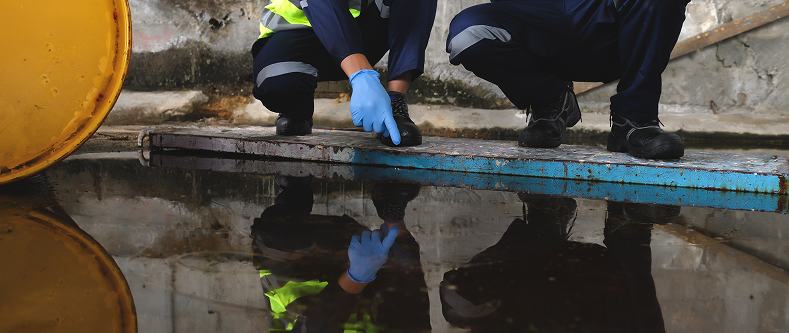
An on-site fuel test is included with every service, giving you a snapshot of fuel quality across your tanks – including unpolished storage.
Survey
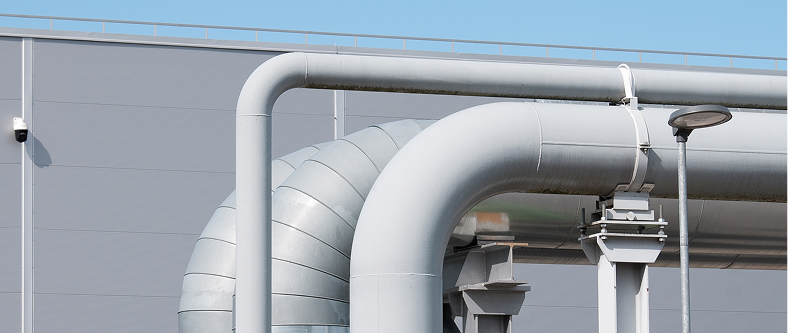
An OFTEC survey of your tanks, pipework and site processes ensures a safe environment for both fuel and staff. A legal requirement for most sites.

An OFTEC survey is a legal requirement for most sites
If you haven’t had one recently, combine it with your next service visit to stay compliant. Contact us for details on what’s required for your site type.
WHY IT MATTERS & WARNING SIGNS
Your polisher protects your fuel. Servicing protects your polisher. We protect your assets.
Fuel polishing systems aren’t passive machines, they’re mechanical workhorses with pumps, pressure seals, high-voltage electronics, and moving parts. Without regular maintenance, you risk issues with your fuel.
Moving parts wear out
Contact us to arrange a service visit. All work is carried out on site.
Mobile units take a beating
Portable polishers are moved, knocked, loaded and unloaded regularly. Physical checks on fittings, pipework, seals and enclosures are essential to keeping them field-ready.
Filters blind over time
As filters load with contaminants, flow rate and cleaning efficiency drop. Replacing elements on schedule maintains rated performance.
Emergency tests require certainty
Your generator, standby pump or critical process is only as reliable as the fuel feeding it. A serviced polisher with tested fault conditions means certainty when the grid goes down.
Signs your fuel polisher needs attention now
Modern fuel polishing units provide intelligent warnings when maintenance is required. But not every sign is electronic. Here’s what to watch for — in addition to your annual scheduled service.
System pressure alerts
Low or high pressure warnings on your control panel indicate blocked filters, pump wear or a blockage in the flow path. Don’t ignore them.
Water in filter bowl
Visible water accumulation in filter housings means biological contamination risk. The bowl should be drained and the root cause of water ingress investigated.
Element replacement warning
Your system’s intelligent monitoring will flag when filter elements are due for replacement. Delaying puts fuel quality and system performance at risk.
12+ months since last service
Annual servicing is the baseline. If your polisher hasn’t been maintained in the past year — especially if it’s been running continuously — schedule a service now.
Dark or hazy fuel
Cloudy, darkened or visibly dirty fuel downstream of the polisher means the system is no longer cleaning effectively. Likely a saturated filter or failing pump.
Post-fuel delivery
Fresh deliveries introduce new microbial load and potential particulate contamination. A service or at minimum a fuel test after significant deliveries is best practice.
Ready to book your annual service?
Talk to our team about a service plan tailored to your fuel polishing system. OEM engineers, genuine parts, full warranty.