The essential guide to fuel polishing
Everything you need to know about fuel polishing, in your pocket.
Water contamination is natural in biodiesel. It contains water when it’s manufactured and it attracts more water while it’s stored. Biodiesel is hygroscopic; meaning it attracts water. This makes it more prone to water contamination than the petrochemical diesel we used before 2011. Diesel fuel now contains up to 7% biodiesel; while this is great for the environment it’s not always good for organisations that store fuel.
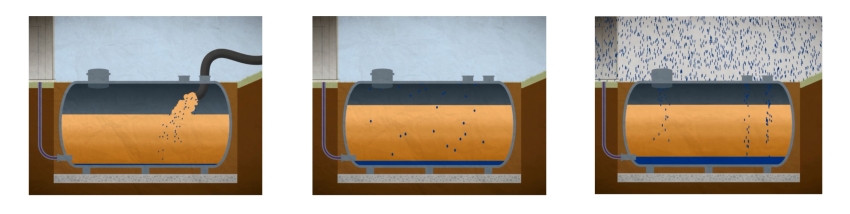
Water contamination can occur through a delivery of contaminated fuel (left), condensation collecting in tanks (centre) or leaks through tank breathers and vents (right).
Water is bad news for diesel because it encourages the growth of diesel bug, rusts steel and leads to the formation of gums and resins which can stick to the side of fuel tanks, injectors and even causing layers of sediment to build up inside the tank.
It puts your critical power at risk.
Water contamination causes three types of problem:
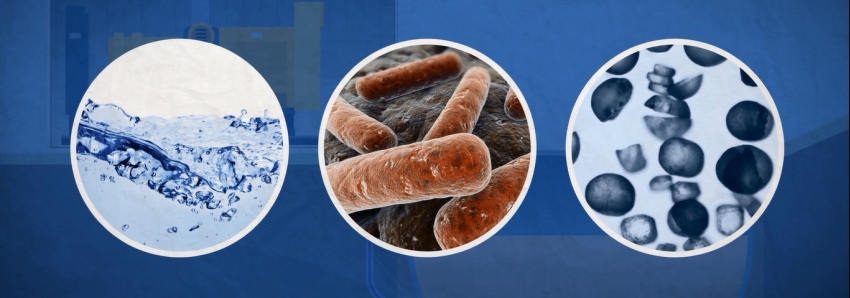
Of all the contaminants found in diesel, water can be the most damaging. It is found in three states:
Free and emulsified water present the greatest threat to reliable power. They deliver varying quantities of incombustible water to your engine.
Prevention is always best. The key to maintaining fuel quality is good housekeeping.
WASP recommends following a comprehensive fuel conditioning programme to ensure that your diesel-powered equipment runs reliably and economically. The ultimate prevention is to fit a fuel polishing system that includes a water filtration stage.
WASP offers a comprehensive tank cleaning service that removes contamination that has grown beyond the level which polishing can clear. Our on site services will addresses water, microbial and solid particulate contamination.
Again, prevention is always best – the key to maintaining fuel quality is simply good housekeeping.
We recommend the following for best practice:
Water represents the most problematic form of diesel contamination. Water can damage engine components, impede combustion and encourage the growth of diesel bug.
Despite its threat, water is an inevitable part of life with biodiesel. Following a comprehensive fuel conditioning programme stops water contamination becoming a problem.

Our team are on hand to assist with your enquiry.