Understanding ‘diesel’ is not as simple as it used to be. New fuel types have been developed in response to our desire to reduce the cost and environmental impact of diesel power. As with so many changes made with the best intentions, the introduction of biodiesel leaves many commercial and domestic users confused.
Understanding ‘diesel’ is not as simple as it used to be. New fuel types have been developed in response to our desire to reduce the cost and environmental impact of diesel power. As with so many changes made with the best intentions, the introduction of biodiesel leaves many commercial and domestic users confused.
When biodiesel is added to the roster of diesel types – petrochemical diesel, ultra low sulphur diesel, red diesel, etc. – it does present a crowded and confusing landscape.
The diesel we buy in Europe is a blend of 93% petrochemical diesel and 7% biodiesel. Biodiesel – or FAME (Fatty Acid Methyl Ester) to give it its technical name – has been added to petrochemical diesel since 2011.
What is it and how is it used?
Biodiesel is diesel fuel made from plants and other biological materials. The most common form of biodiesel is FAME (Fatty Acid Methyl Ester). However, biodiesel is rarely used in its pure form.
Biodiesel is added to petrochemical diesel to make the fuels we use. Different ‘B’ numbers are used to designate how much biodiesel the fuel contains: B7 uses 7% biodiesel, B20 uses 20% biodiesel, and so on. B7 biodiesel is currently used in the UK and Europe.
Diesel purchased in Europe, the United States, Canada and Australasia will almost certainly be biodiesel. Other parts of the world such as South America are starting to use biodiesel too.
The Middle East is still dominated by petrochemical diesel so, although they suffer less from water-borne contaminants like diesel bug, they do still encounter particulate contamination.
Why does biodiesel present a problem?
For all its environmental advantages, biodiesel is more vulnerable to fuel contamination than petrochemical diesel because it has a higher water content. It contains more water when it leaves the refinery and because it is hygroscopic, it can attract even more water if it is stored badly.
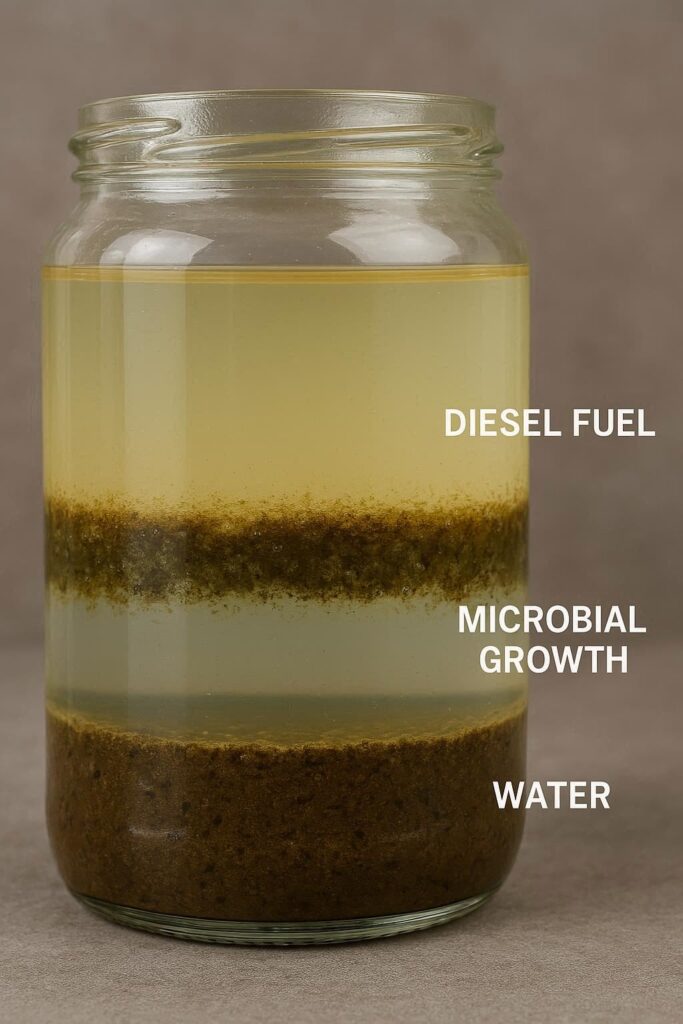
Water is problematic in two ways: it can damage engines during the combustion process and it encourages the growth of microbial contamination (a.k.a. the diesel bug) in storage tanks.
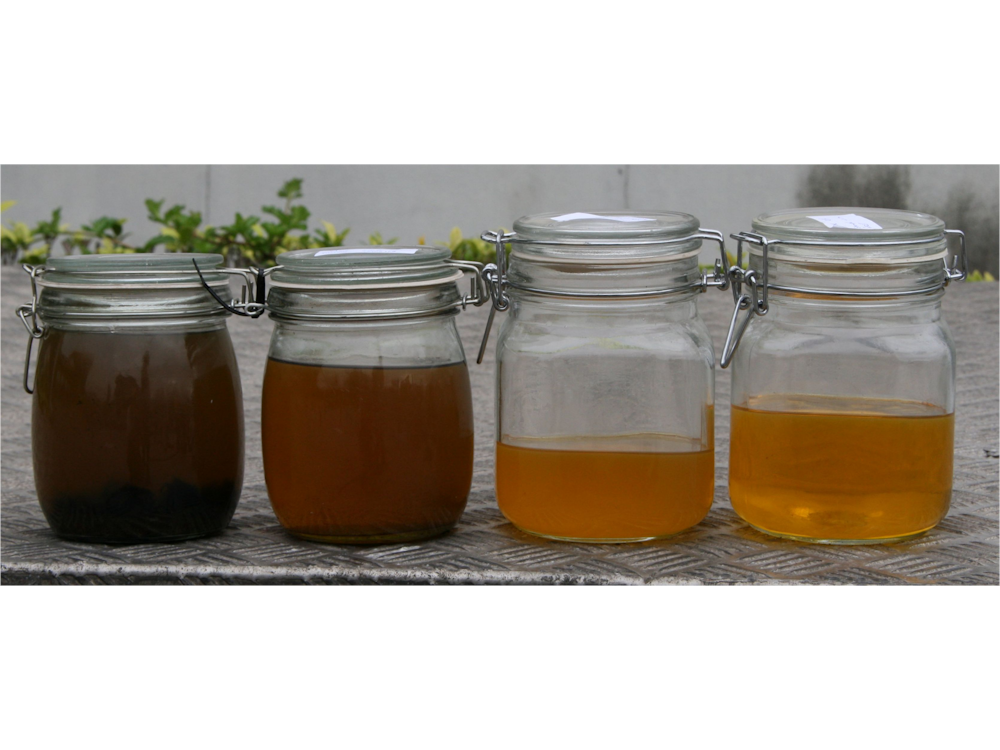
When stored, biodiesel also suffers from particulate contamination even more so than petrochemical diesel. Rust, dirt, wax, sand, clay, asphaltines, microbial growth and colloid carbon all reduce the fuel quality.
WASP’s fuel polishing systems combat particulate and water-based contamination.
It is vitally important to understand the term ‘biodiesel’ in the context of your own industry.