In hospitals, banks and data centres power is critical. If the mains supply fails they still need a constant source of electricity so they typically install backup generators. As part of this they also need to store enough diesel to run the generators for hours, days or weeks.
However, as the generators a typically run for just short periods during maintenance schedules the diesel remains stagnant for long periods. This is bad news as the fuel we buy has a reliability shelf life of just 6 to 12 months. Stored any longer and it becomes contaminated, threatening the reliability of backup systems.
The Solution
After receiving the results, County Hospital requested the help of WASP’s fuel tank cleaning services. Our service teams address the three main forms of fuel contamination: water, solid particulates and microbial growth (a.k.a. the diesel bug). The service ensures:
- Water is removed down to 200 parts per million or less as specified in EN590
- Solid particulates such as soot, rust and colloid carbon are removed to 18/16/13 as advised by ISO 4406
- Microbial growth is removed
- Any sludge that may have settled at the bottom of the tank is broken down and filtered out.
“Clean, dry fuel is critical for our backup power systems. When we saw the results of our fuel test we knew we had to act. The difference between the diesel before the tank clean and after was phenomenal.”
Steve Bagnall – Senior Estates Manager , NHS
During the clean, WASP’s service team removed over 150 litres of contaminated water and asphaltene.
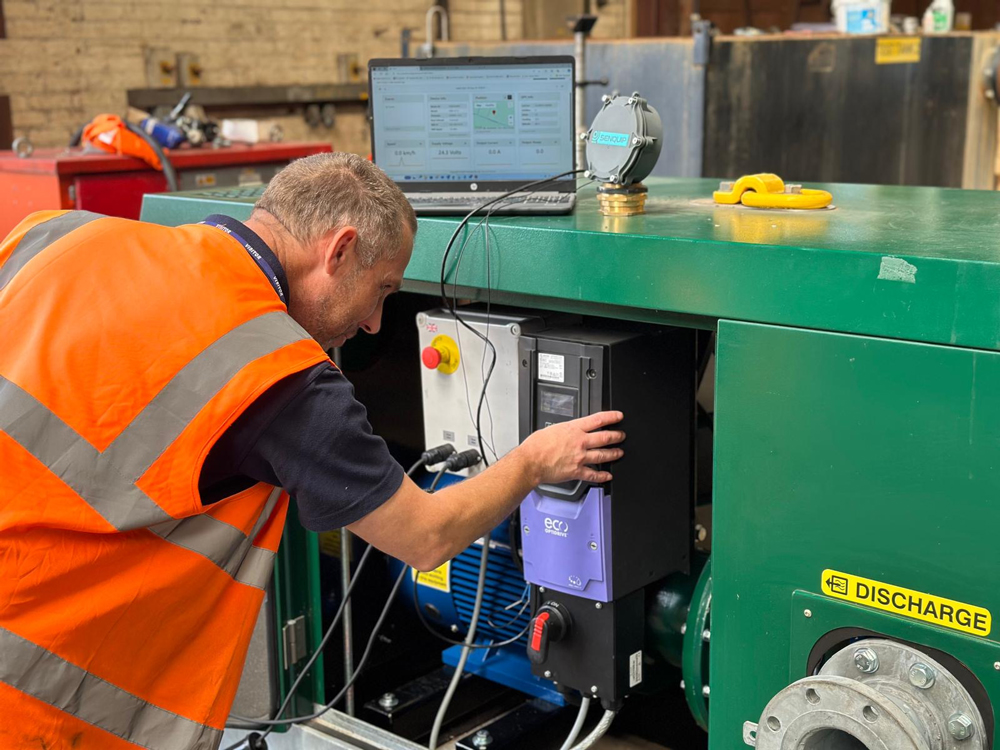
Our service was the ideal solution for County hospital as it requires no hazardous man entry, cleans the tank simultaneously with the fuel and enabled the generators to remain online throughout.
It also meant that County Hospital were not required to drain each of the tanks, have them manually cleaned and re-fill the storage units with brand new diesel. We offer one of the simplest and most cost effective solutions.