
02.07.2019
1 min read
IPU in a picture
IPU has a wide range of expertise across Engine Starting, Fuel Conditioning and Emissions Solutions. Sometimes it can be difficult…
All modern diesel contains wax because of its high cetane value. However, watch what happens when we put a sample of fuel in cold water…
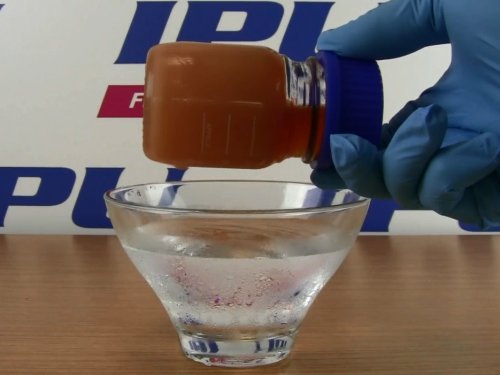
All modern diesel contains wax. It’s considered an important component because of its high cetane value. However, wax in diesel reacts when it’s in a cold environment. Watch what happens when we put a sample of fuel in cold water:
Under normal conditions the paraffin wax added to diesel improves viscosity and lubrication. However, when temperatures begin to fall, this paraffin wax thickens and turns into a cloudy mixture. This point is known as a fuel’s ‘cloud point’.
If left the problem can clog fuel filters and solidify to the point where the fuel no longer flows and renders your engine useless.
In 2015, the BBC launched an investigation into the effects of cold temperatures on diesel fuel after receiving a number of complaints about Hyundai’s ix35 in Scotland. The BBC Watchdog investigation discovered that some ix35 engines were breaking down after the fuel filters became blocked with wax.
According to Hyundai, between September 2013 to April 2015 there were 14,845 reported incidents of blocked diesel filters. Not all of these reports relate to cold temperatures but it is further evidence that modern engines are sensitive to contaminated fuel.
The solution is to install a Diesel Defence fuel polishing unit alongside our diesel and oil heaters:



Our team are on hand to assist with your enquiry.